Written by Jazmin
20 Feb 2026
In Sweden, you really learn how to share, and I mean really. Not just food with friends or space on the bus. I’m talking about parts of your daily life that, back home, would feel completely private.
Some of these things were a cultural shock for me at the beginning. I won’t lie. I had moments of “wait… this is normal here?” 😅 But little by little, I blended into the culture. And now? Some of these shared practices actually make so much sense.
If you’ve never been used to sharing everyday spaces, prepare yourself, because in Sweden, you’re going to do it a lot.
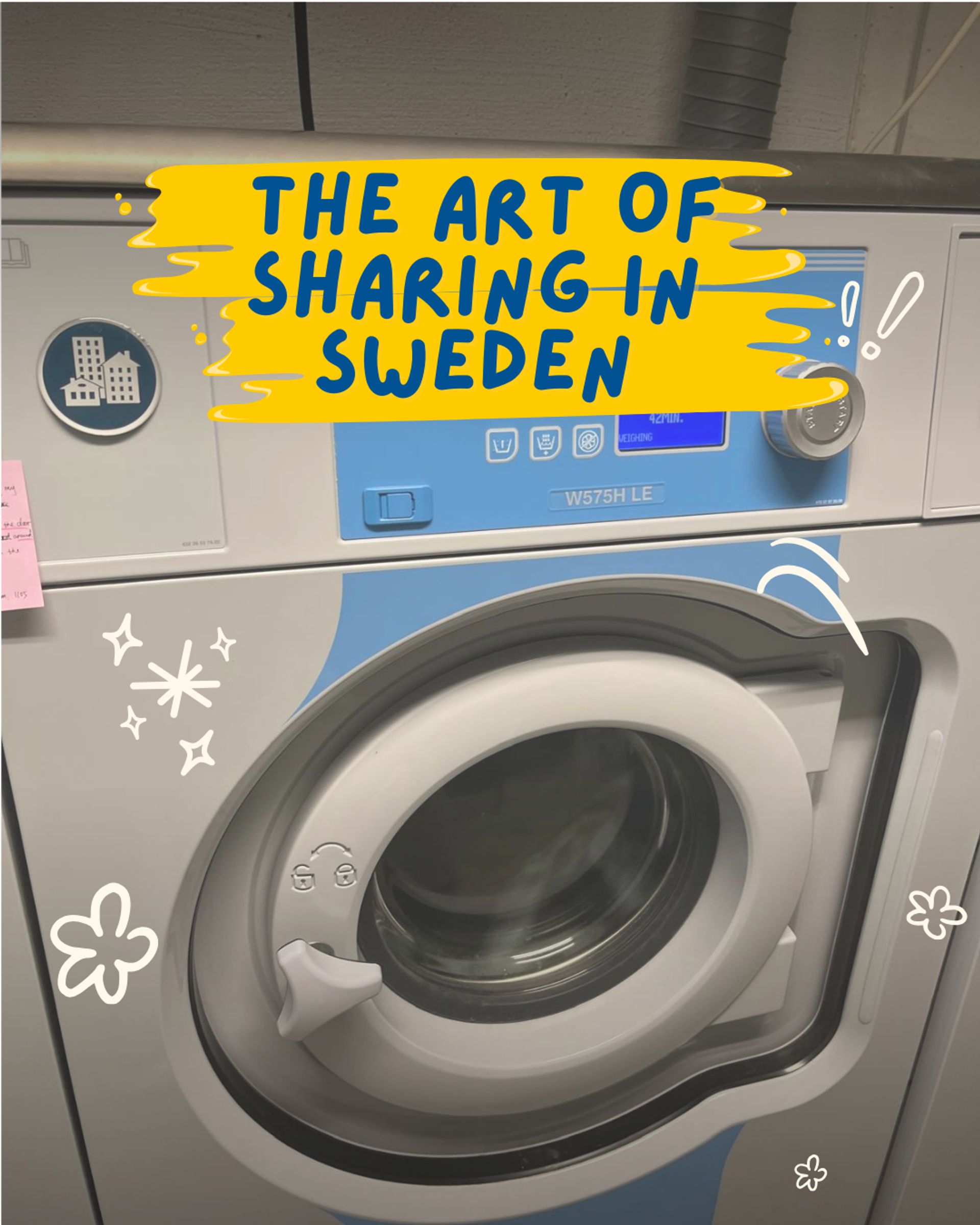
🧺 The Shared Laundry Room
At first, I thought this only happened in student accommodation, which made sense to me. Students don’t usually buy washing machines if they’re staying for a short time.
But no. This is not just a student thing.
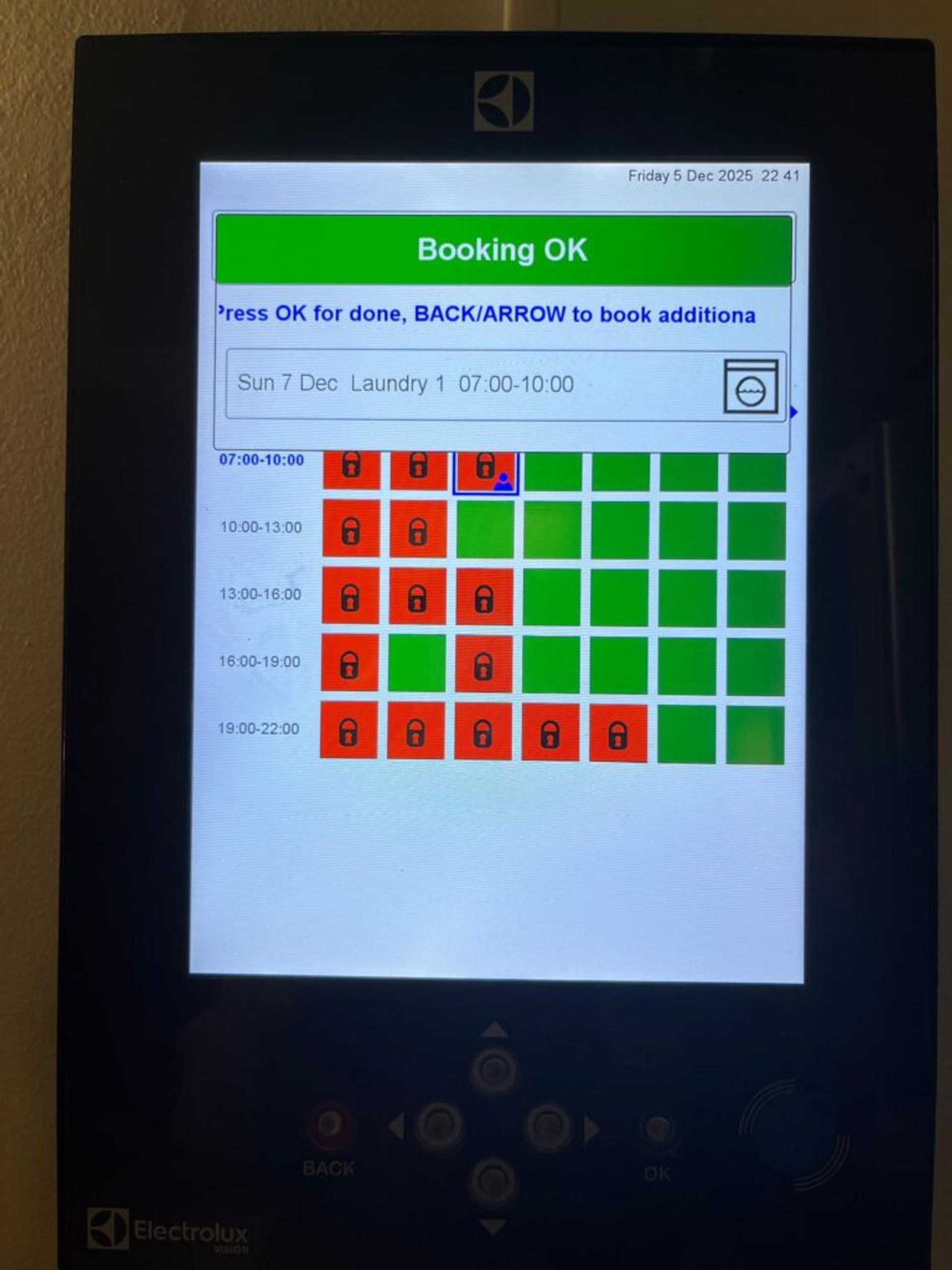
Even now, renting independently, my building has a shared laundry room. And so do my friends’ buildings. It’s simply how many Swedish apartment complexes work. You book your time slot, and that time is sacred. That is your moment. Miss it? Too bad. 😅
You share:
- The washing machines
- The dryers
- The drying room
- The ironing space
With all your neighbors.
Coming from Peru, this felt so strange. I grew up in an apartment where of course we had our own washing machine. The idea of sharing that with the whole building? Unthinkable.
But here’s the twist: there’s something very practical about it. You don’t have to buy expensive machines. You don’t worry about maintenance. It’s already included in the building. And there’s this silent agreement that you leave it clean for the next person. You clean the lint filter. You wipe surfaces. You respect the system.
It’s structured sharing. Organized community. And honestly, it works.
Still stressful when someone is late for your slot though 👀
🚻 Mixed Bathrooms
This was another big cultural shock for me.
In most public places in Sweden, cafés, universities, offices, even pubs and clubs, bathrooms are often gender-neutral. Instead of “men” and “women,” you just have individual stalls anyone can use.
The first time I saw this, I paused. I looked twice. I thought maybe I was in the wrong place.
In Peru, this would cause endless debates and controversy. It’s just not something culturally normalized. So seeing it here, and seeing that nobody makes a big deal about it, was surprising.
And then something interesting happened: after a while, I stopped noticing.
You just wash your hands next to whoever is there. No drama. No tension. No one cares. It’s practical, inclusive, and honestly more efficient.
I also appreciate how it creates space for inclusivity. Non-binary and trans people don’t have to question where they “belong.” The space simply belongs to everyone.
It reflects something deeper about Sweden. Equality isn’t loud here. It’s built into everyday systems.
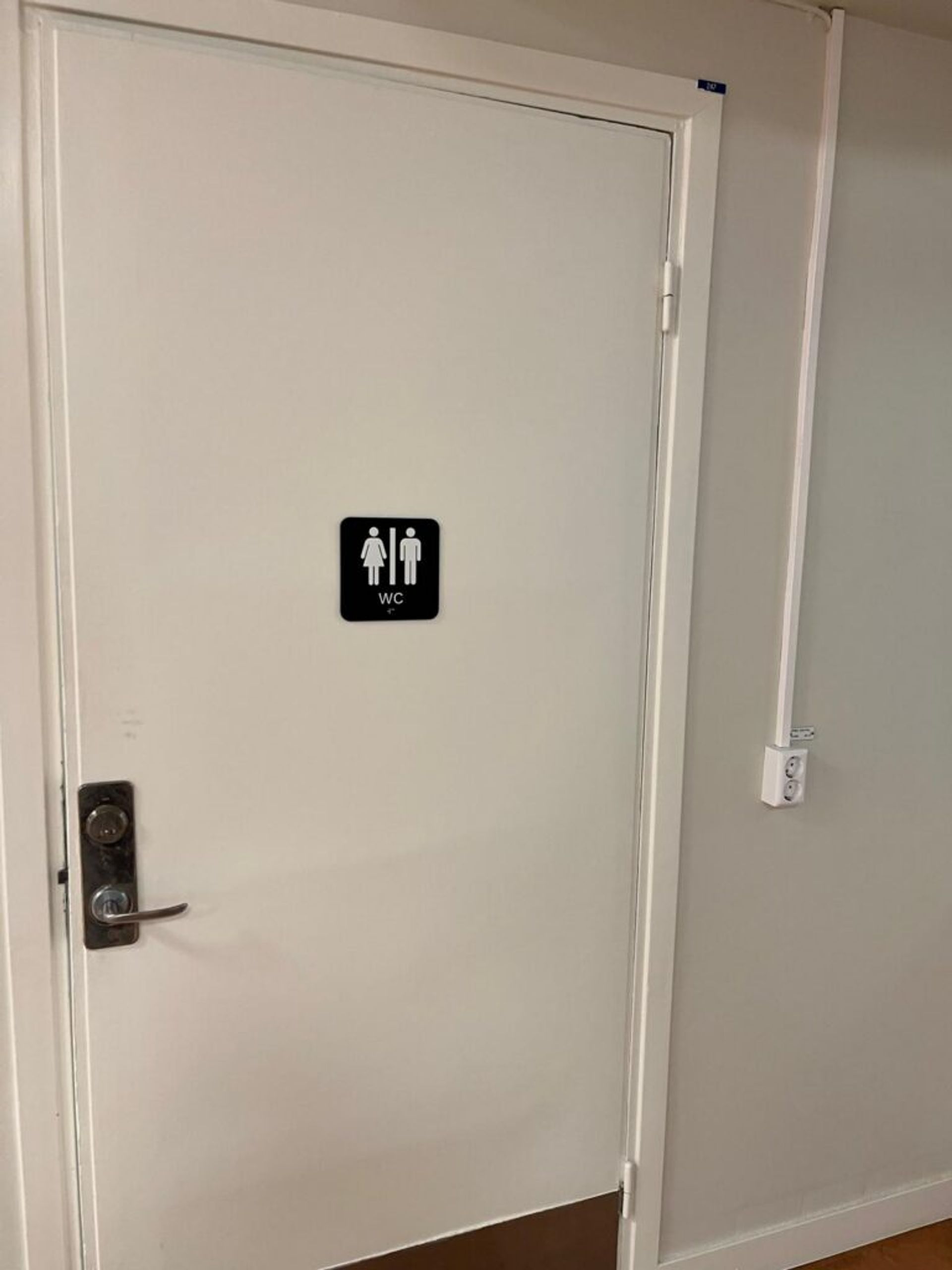
What fascinates me the most about these communal practices is the level of trust behind them. You’re sharing machines, spaces, routines with people you might never even talk to.
And yet, it works.
What do you think about these kinds of shared spaces? Would you feel comfortable sharing your laundry room with your neighbors? Or using mixed bathrooms without thinking twice? Let me know, I’m curious 👀✨