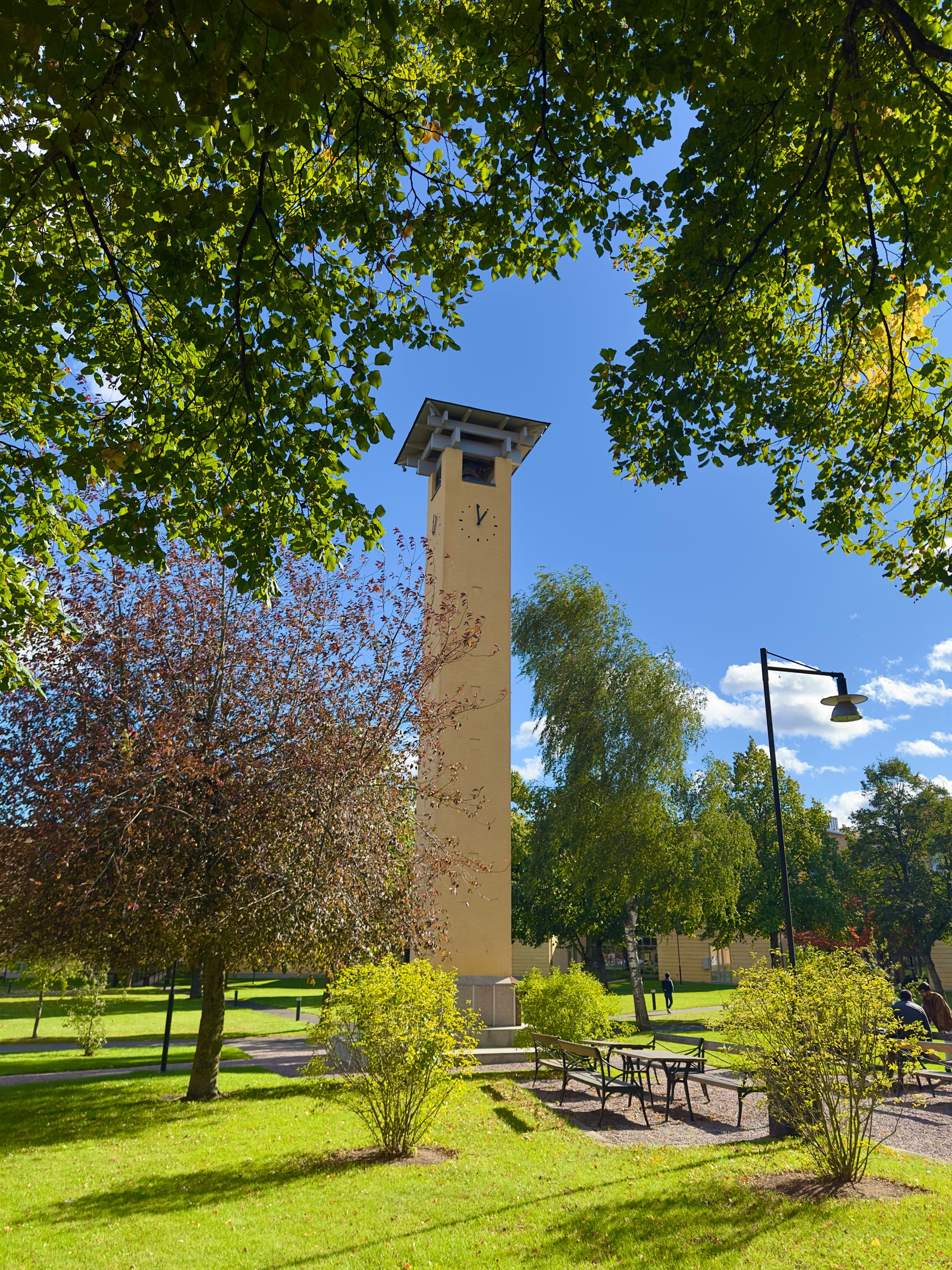

Written by Ravindu
25 Jan 2026



When people talk about studying in Sweden, one phrase comes up a lot: active learning. Swedish universities are often described as proactive, interactive, and student-centered, so when I first started my program at the University of Skövde, I thought I knew exactly what to expect. Lectures, exams, and, because I study biosciences… quite a few lab sessions.
Fast forward one and a half years, and I can confidently say that university life in Sweden is much more varied than I imagined. The diversity of class types has made studying here not only more engaging, but also genuinely enjoyable. It’s one of the things that has surprised me the most about studying in Sweden!
Lectures
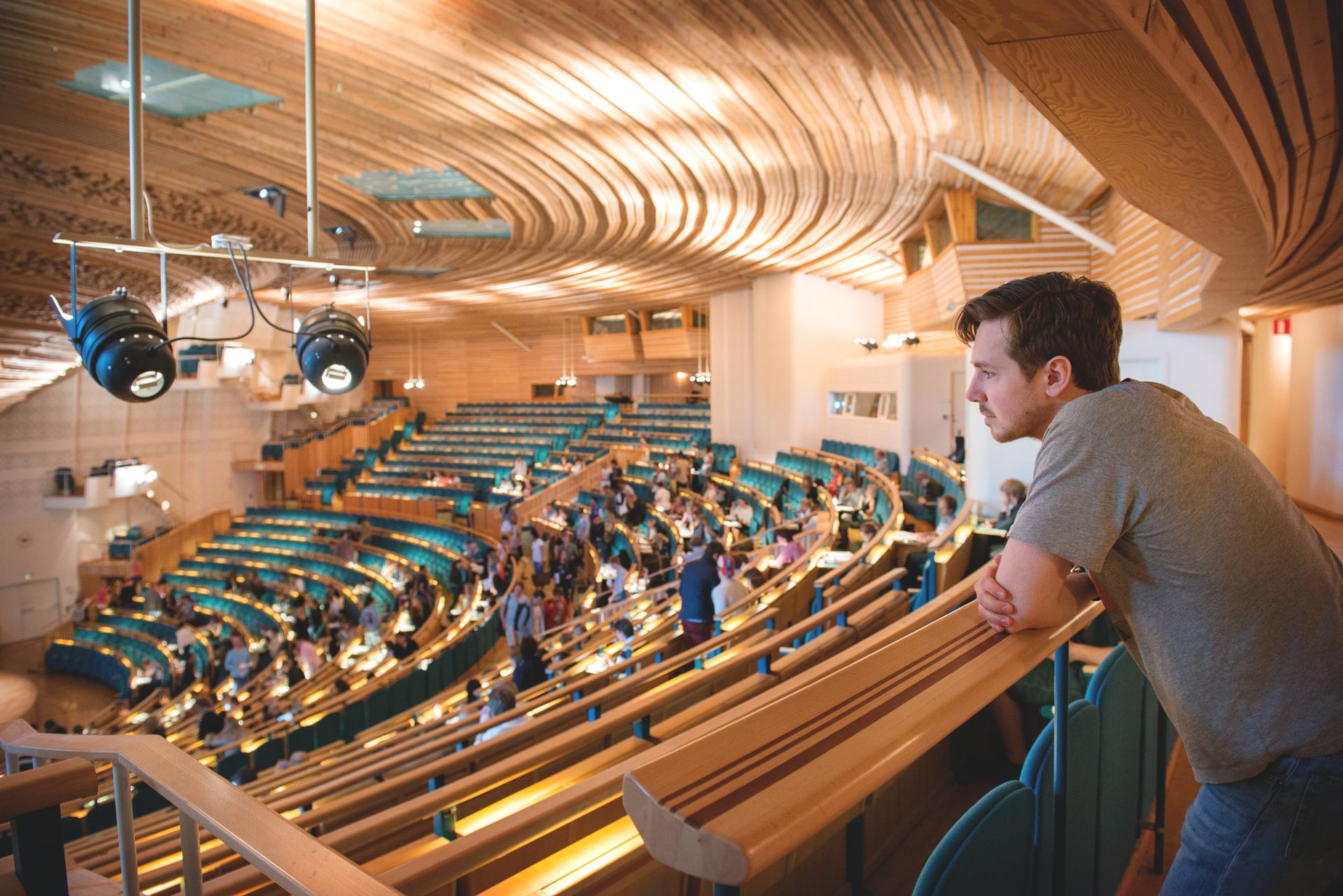
Lectures are, of course, a big part of university life in Sweden. These are usually the largest classes, where the professor goes through course content using PowerPoint slides or other presentations. Many students take notes, either digitally or on paper, and the structure is generally quite similar to what I expected before coming here.
That said, even lectures tend to be more interactive than I was used to. Professors often ask questions, encourage feedback, and invite students to ask questions during the lecture. However, because the class size is large, not a lot of students feel comfortable to speak up. Still, lectures felt familiar and aligned closely with my expectations of university studies.
Seminars
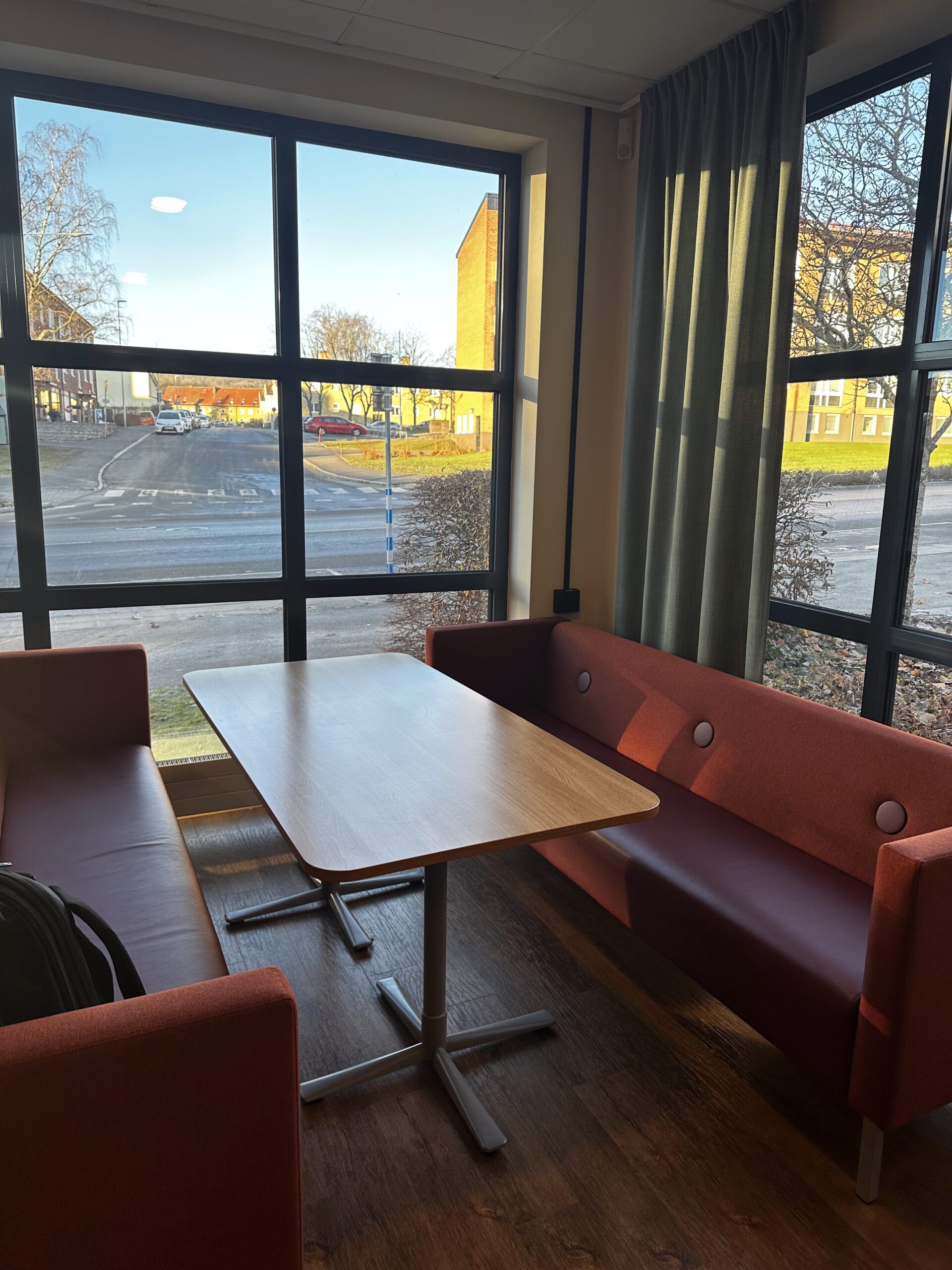
Seminars are extremely common across many programs in Sweden, and this is where the learning becomes much more interactive. Classes are usually divided into smaller groups, with seminars held at different times of the day to make sure everyone has the opportunity to participate.
One important thing about seminars in Sweden is that participation is mandatory. You often have to actively take part to pass the seminar. And many seminars carry credits of their own and sometimes also grades. This means that courses are not always based solely on a final exam! Seminars also play a significant role in your final grade. I first experienced this during a Molecular Genetics course, and more recently in a Sustainability course.
You are always expected to prepare before attending. This could be reading research articles, magazine pieces, watching YouTube videos, listening to podcasts, or reviewing other materials provided by the teachers. I never imagined I’d be listening to podcasts about animal conservation and trophy hunting as part of a university course, but here I was, preparing for a seminar!
In many second-year and advanced courses, seminars are a core part of learning. Even master’s students I know have weekly seminars. Because the group size is small, seminars are also a great opportunity for students who may be shy to slowly become more confident speaking up, and that’s something I really appreciate.

Workshops
Workshops are another type of class that I’ve really appreciated. They are often not mandatory and usually focus on revising or reinforcing lecture material. I’ve had workshops in courses like biochemistry and mathematics.
In workshops, you’re typically given problems or exercises to work on, either alone or with friends, while the professor is present to help if you have questions. Even if you don’t need help, you can think of it as a dedicated time in your schedule to revise and practice. That’s a good way to look at them. While workshops might be less interactive if you feel confident about the material, they are incredibly useful for clearing up confusion and staying on top of the course content. The best part about them is that you have a chill professor who can answer any of your problems!
Laboratory Classes
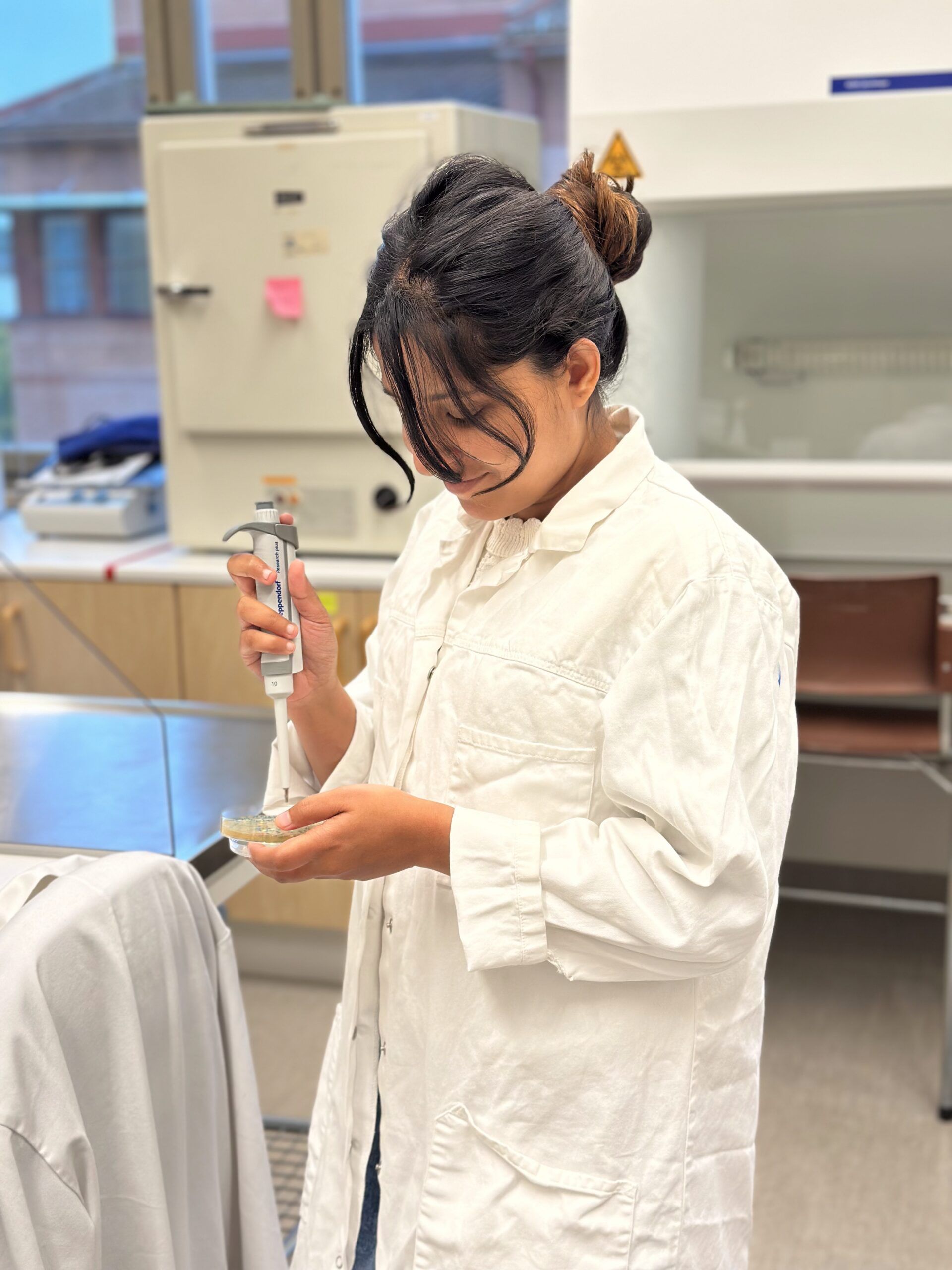
As a bioscience student, laboratory work is a major part of my program. I’ve had both wet labs and dry labs, since my studies also include a bioinformatics component.
In wet labs, we perform hands-on experiments, and honestly, so far, all of them have been genuinely exciting. For example, we once inserted a gene into bacteria and made them glow, which I even wrote a separate blog post about. These labs are excellent preparation for future work in research or industry.
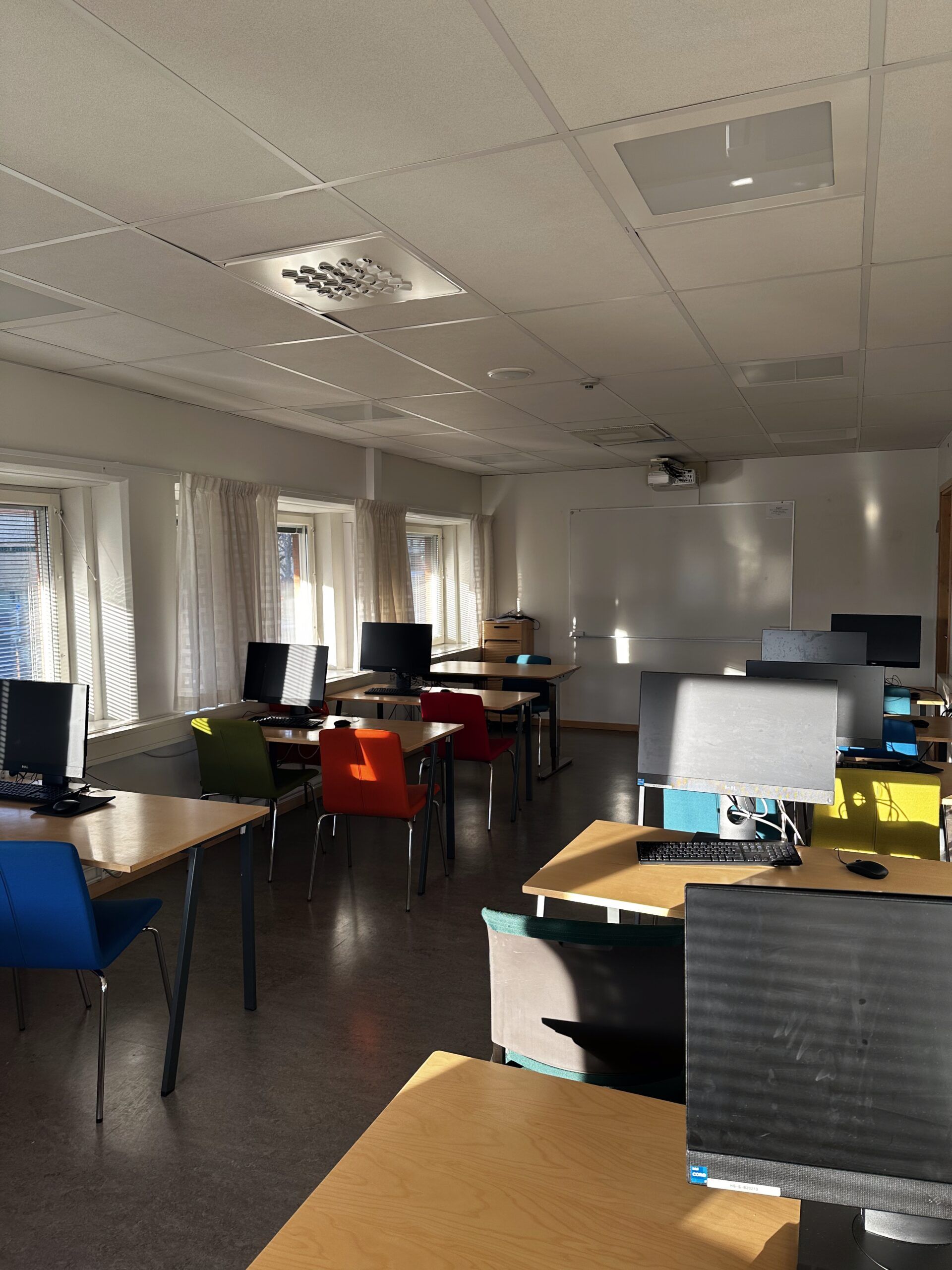
In dry labs and computer labs, we work with data files, write code, and analyse results to reach expected outcomes. What really stands out about labs in Sweden is how well they are organised. Classes are divided into small groups, and there is always a good teacher-to-student ratio. There are usually multiple lab supervisors present, so you always get proper guidance and attention. This makes the learning experience much more effective and less stressful.
Webinars
We also have webinars, which are not traditional classes but still an important part of our education. These can be course-specific or program-wide and often cover topics such as thesis preparation, how to apply for a thesis project, or studying abroad opportunities. Sometimes guest speakers are invited to talk about specific topics. While they are often online, they still contribute a lot to your overall learning experience.
Presentations and Projects
Presentations and long-term projects are very common in Swedish universities. Many courses include at least one major presentation, and sometimes several. These projects can take months to prepare and are often presented either individually or in groups.
When I talk to friends from other European countries, they often point out how much more presentation-based work students have in Sweden! At first, I was honestly quite afraid of speaking in front of others. But after doing so many presentations, it has become completely normal. Teachers are always supportive, and there is help available if you struggle with public speaking. Over time, these presentations significantly improve your communication and confidence, which I think is incredibly valuable.
Final Thoughts
Looking back, what stands out most about studying in Sweden is just how actively involved you are in your own learning. Through lectures, seminars, workshops, labs, webinars, and presentations, you’re constantly encouraged to ask questions, share ideas, prepare in advance, and apply what you’ve learned in different ways in classes.
I came to Sweden expecting lectures, exams, and lab work. What I found instead was a learning environment that is diverse, engaging, and genuinely enjoyable. The variety of class formats keeps things interesting and helps you develop not just academic knowledge, but also communication skills, confidence, and independence. And that’s something I truly appreciate about studying in Sweden.