
Written by Ravindu
09 Dec 2025



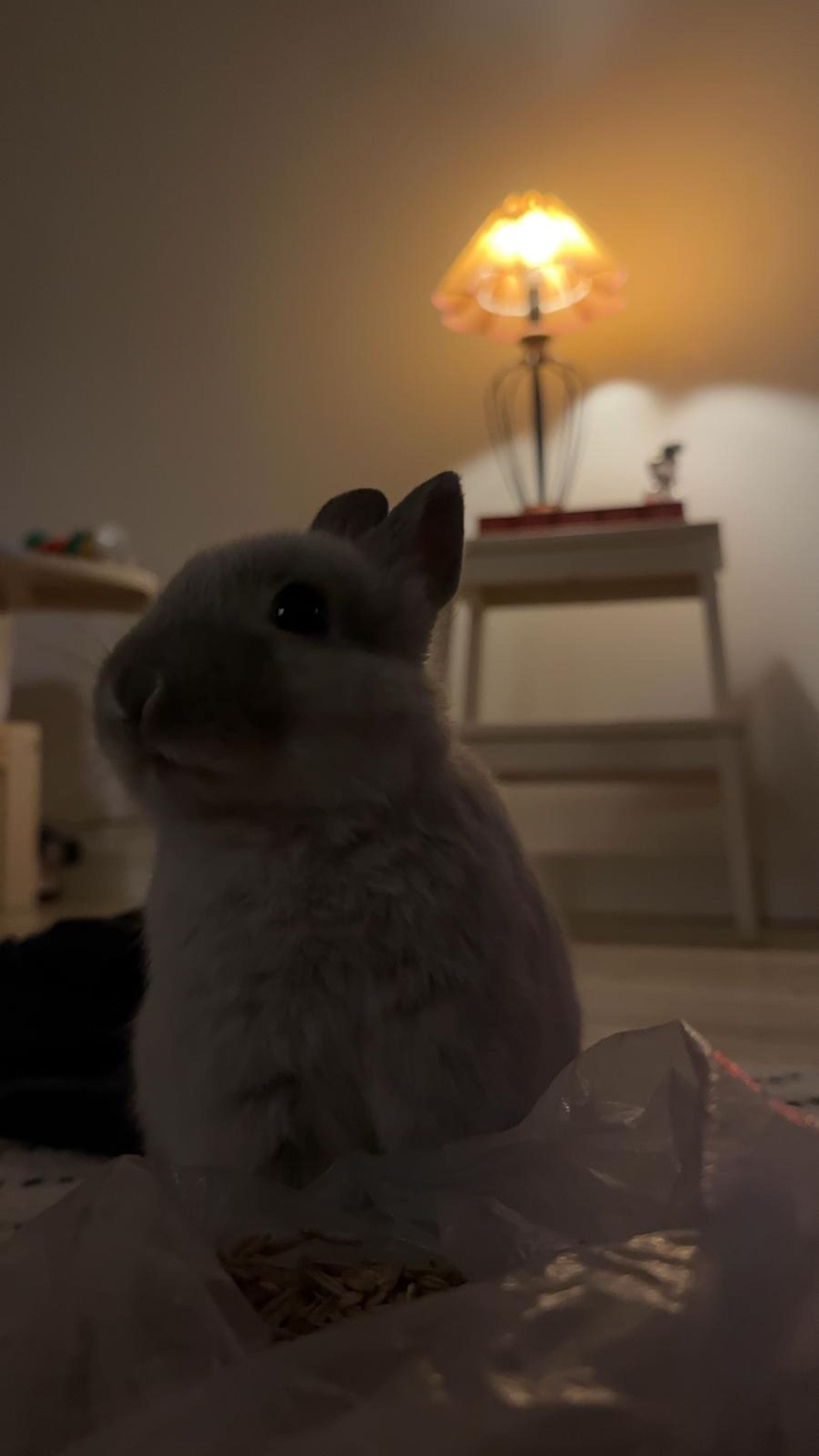
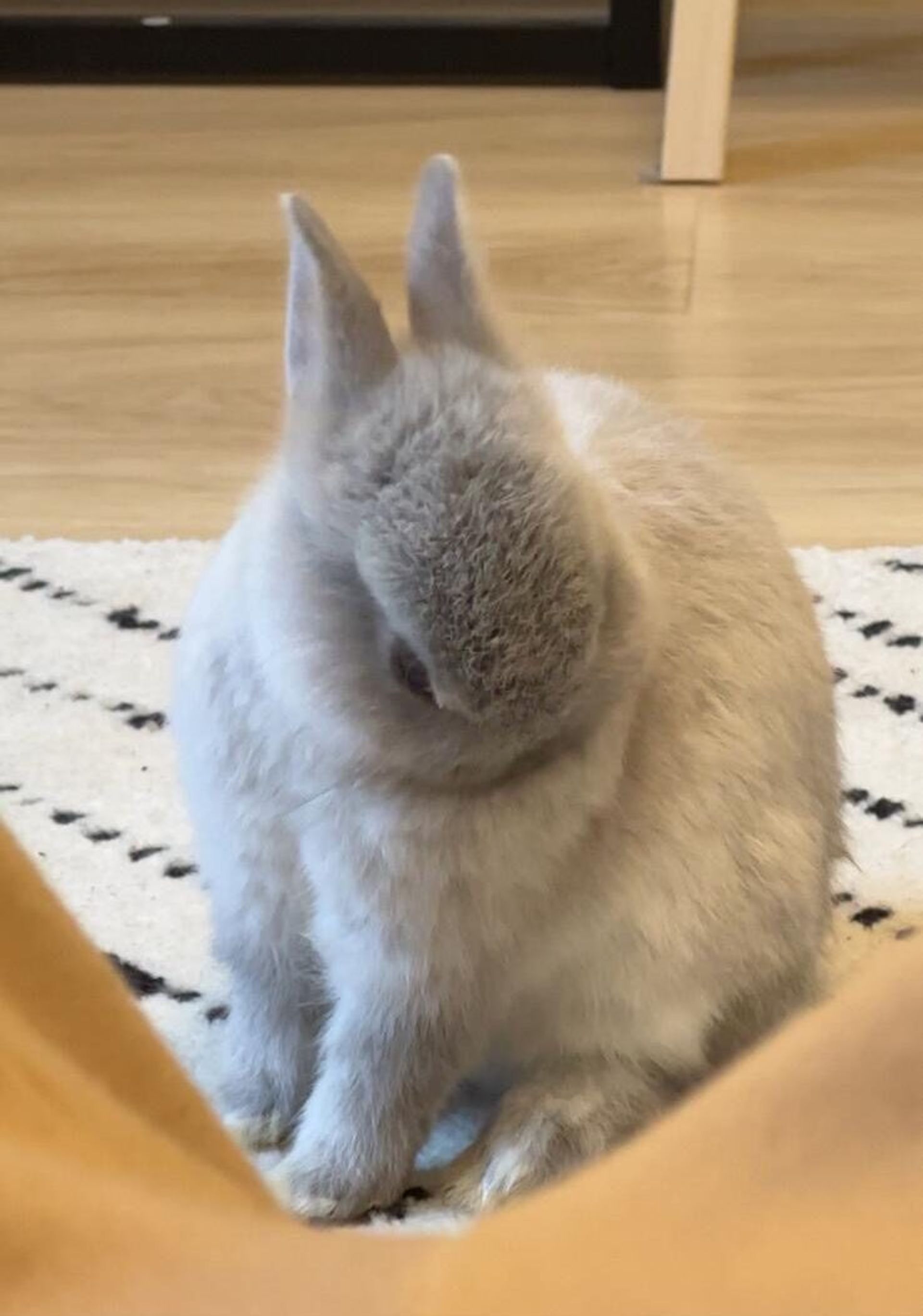
One evening, I went over to my friend Saana’s apartment for snacks and drinks with a few friends. The moment I stepped inside, her pet bunny Jakub was already hopping confidently around the living room, strolling between our feet as if he were the true host of the night. He was so cute, and seeing him got me wondering what it’s like to live with a tiny furry friend hopping around you all day.
In my previous blog featuring Svena and Moro, I focused on what it’s like to bring a pet to Sweden: crossing borders, preparing documents, and making sure your animal travels safely alongside you. But pet journeys don’t always begin in your home country. Many students end up finding their own furry companions within Sweden, and the process looks completely different. This story is one of those.
How a Bunny Entered the Picture
Saana never planned on getting a pet. During intro week, a friend who had a bunny briefly mentioned a nearby farm, and that small comment was enough to spark her curiosity. “We were like, oh, they’re so cute,” she told me. From there, things escalated quickly in the most relatable way.
“I started stalking the Instagram account for the farm,” she said. “Everything was so adorable all the time.” The photos made her start asking questions, reading up a bit, and trying to understand what having a rabbit would actually involve. After a few days of this, she and her partner reached a simple conclusion: “Let’s just go and see.”
When they visited the farm, the babies were tiny and only about three weeks old. Saana didn’t expect anything more than a sweet, one-time chance to see them up close. But one little bunny stood out immediately. “He had a character,” she said. And that was the moment the idea of actually getting a bunny began to feel real.
From Curiosity to Commitment
Even after seeing the bunnies at the farm, Saana didn’t rush into a decision. “Yeah. So we went home, we started looking at the pictures. We looked more information, like how much does it cost to have a bunny monthly and stuff. And it seemed like it would have less costs than owning a dog or a cat,” she recalled. Cost was just one factor. Space was another. Their student apartment was small, without a balcony, and the windows were quite high. “I always felt like… it would be cruel for a cat or a dog to stay in a small house… So, bunny sounded like it would make sense,” she said.
They also wanted to make sure the timing was right. The farm told them the babies needed to stay with their mother for at least seven weeks, learning essential skills like potty training and building confidence. “Yeah, so we’re like, okay, that’s actually good,” Saana said. During those weeks, she and her partner prepared their home, even buying supplies and paying a deposit to make sure the bunny would have a place waiting when the time came.
Preparing the Home: The DIY Bunny Era
Saana started by looking online, scrolling through TikToks and posts about bunny enclosures. She noticed the popular cabinet-style hutches and thought, “It looks like a cabinet… that’s also kind of aesthetic.” But the more she learned about bunnies, the more she realized it wouldn’t work: “They’re very social animals… locking them up most of the day sounded just cruel to me.”
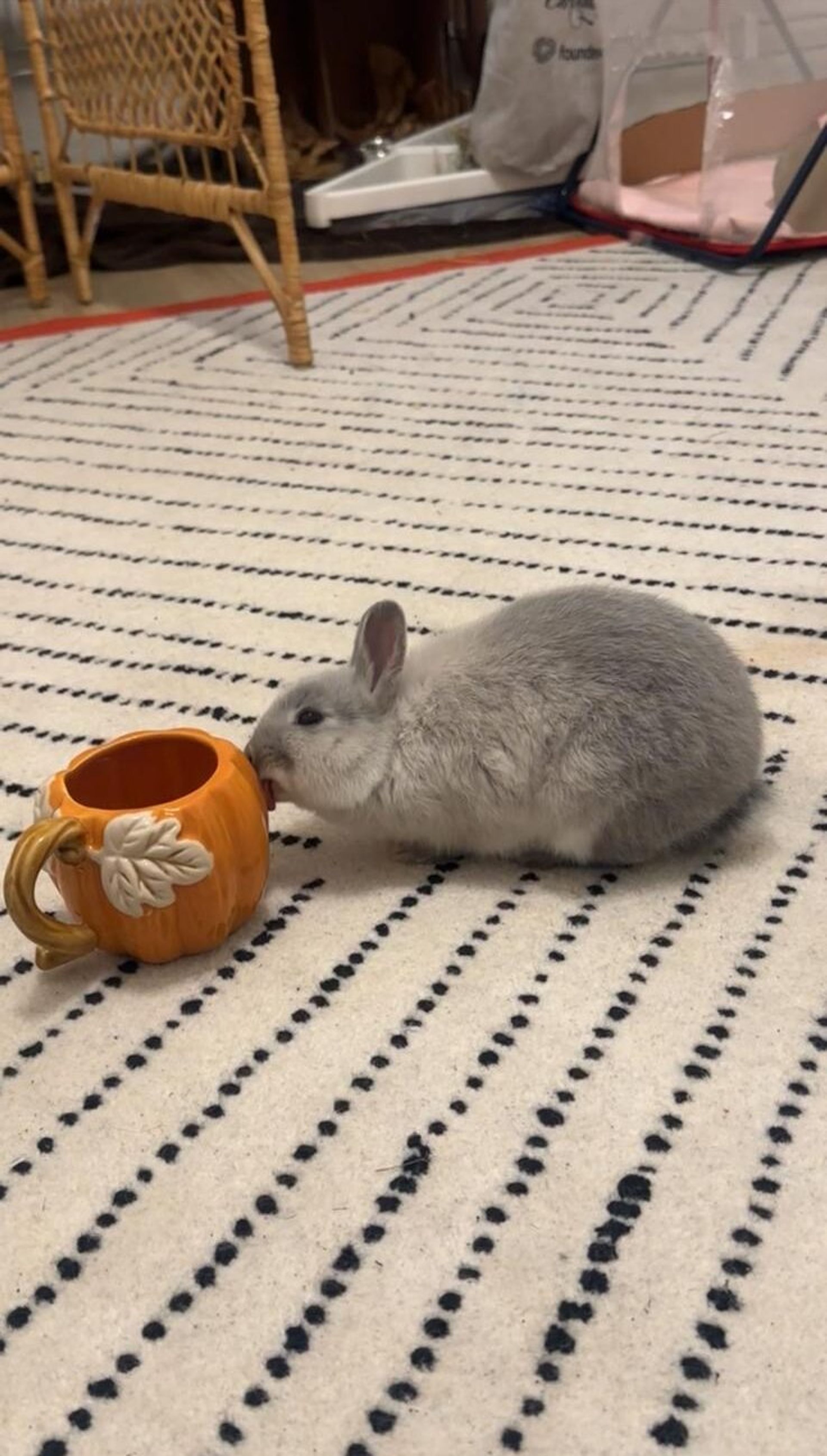
Instead, she and her partner created an open-space setup inside their apartment. They built a small area for meals, added a litter box and hay feeder, laid down soft carpets for hopping, and arranged a cosy corner the bunny naturally gravitated toward. “I DIY-ed it the first couple of weeks, and then the other products came, like an actual cage and stuff. Then he had a real space to eat.” In the end, the entire setup cost under €100—a budget-friendly start that kept both the bunny happy and the apartment practical.
What Adopting a Bunny in Sweden Actually Costs
Based on Saana’s experience, here’s what a realistic budget looks like:
- Initial supplies: 1000 SEK
- Insurance: around 250 SEK every three months
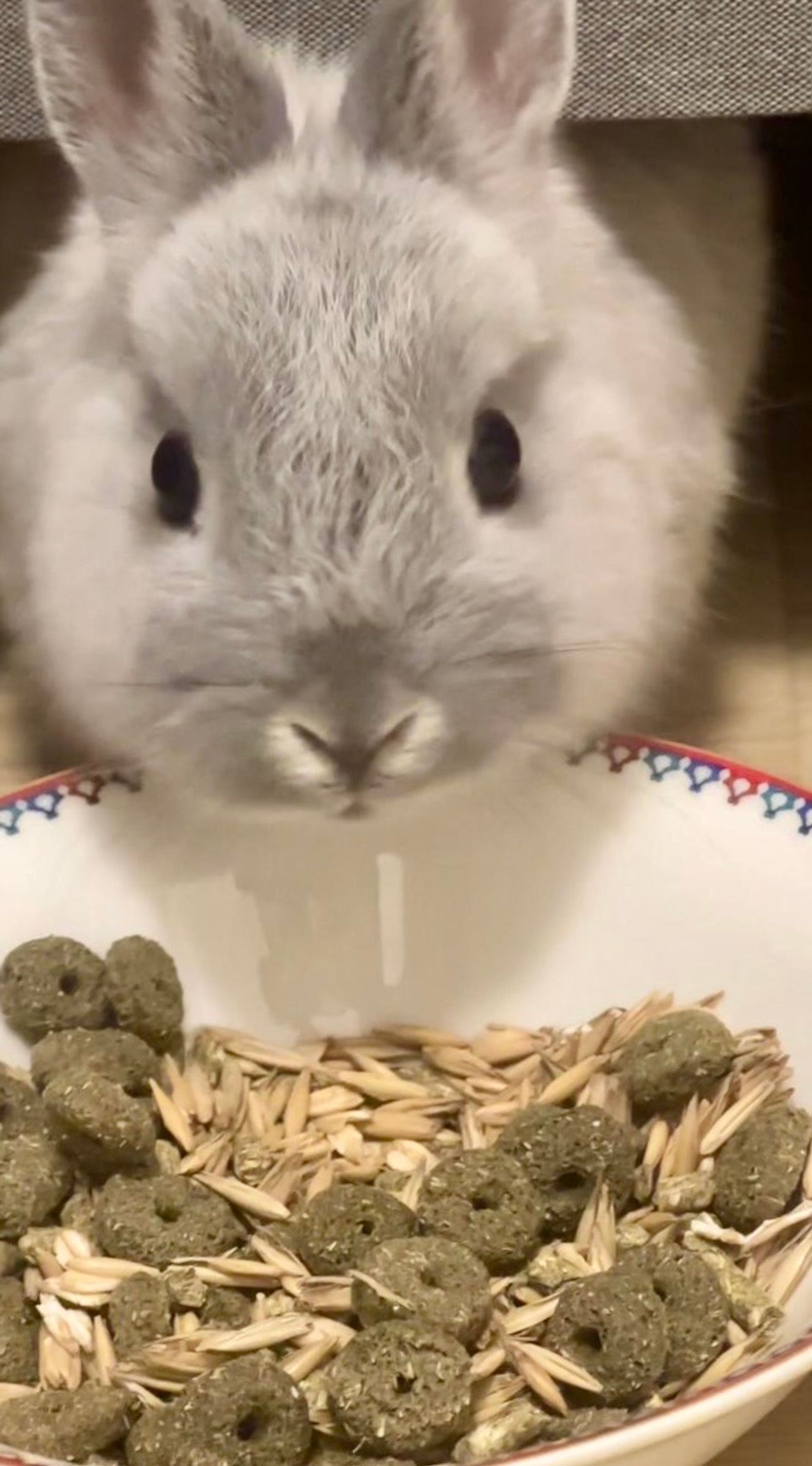
- Food (hay + pellets): about 200 SEK per month
- Nail clipping: 250–300 SEK every 2–3 weeks
- Emergency vet visits: 1000+ SEK (partially covered by insurance)
It’s not the cheapest pet in the world, but it’s also far from the most expensive!
Daily Life With a Bunny
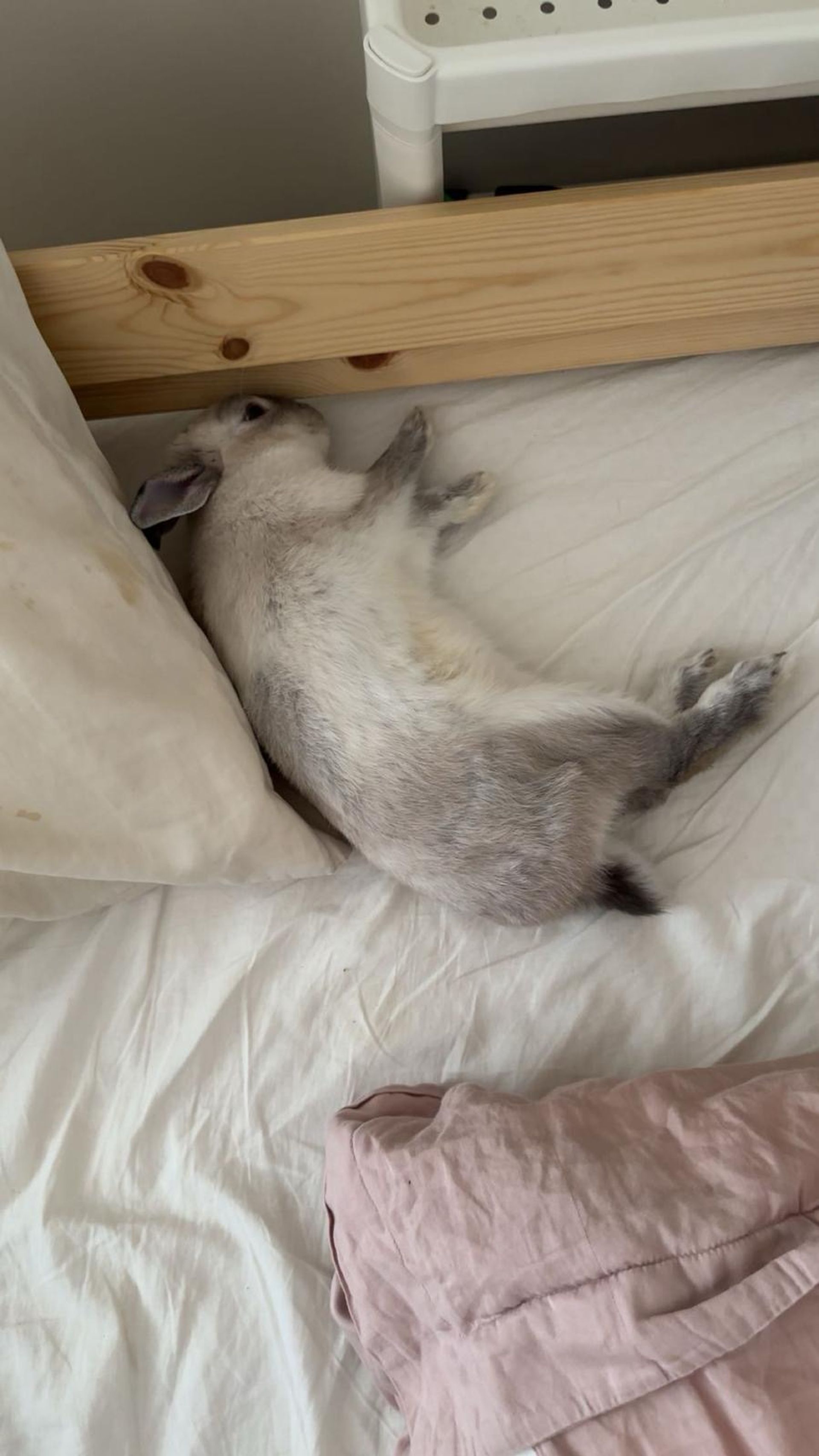
Living with a bunny, Saana says, is a mix of chaos, sweetness, and a little drama. “He’s so active. He jumps everywhere. He’s stubborn. He gets into bed at night, no matter how much we try to block it.” His enthusiasm has even led to a minor injury once: “When he was young, he injured his toe trying to jump onto the bed… we had to go to an emergency vet in Gothenburg.”
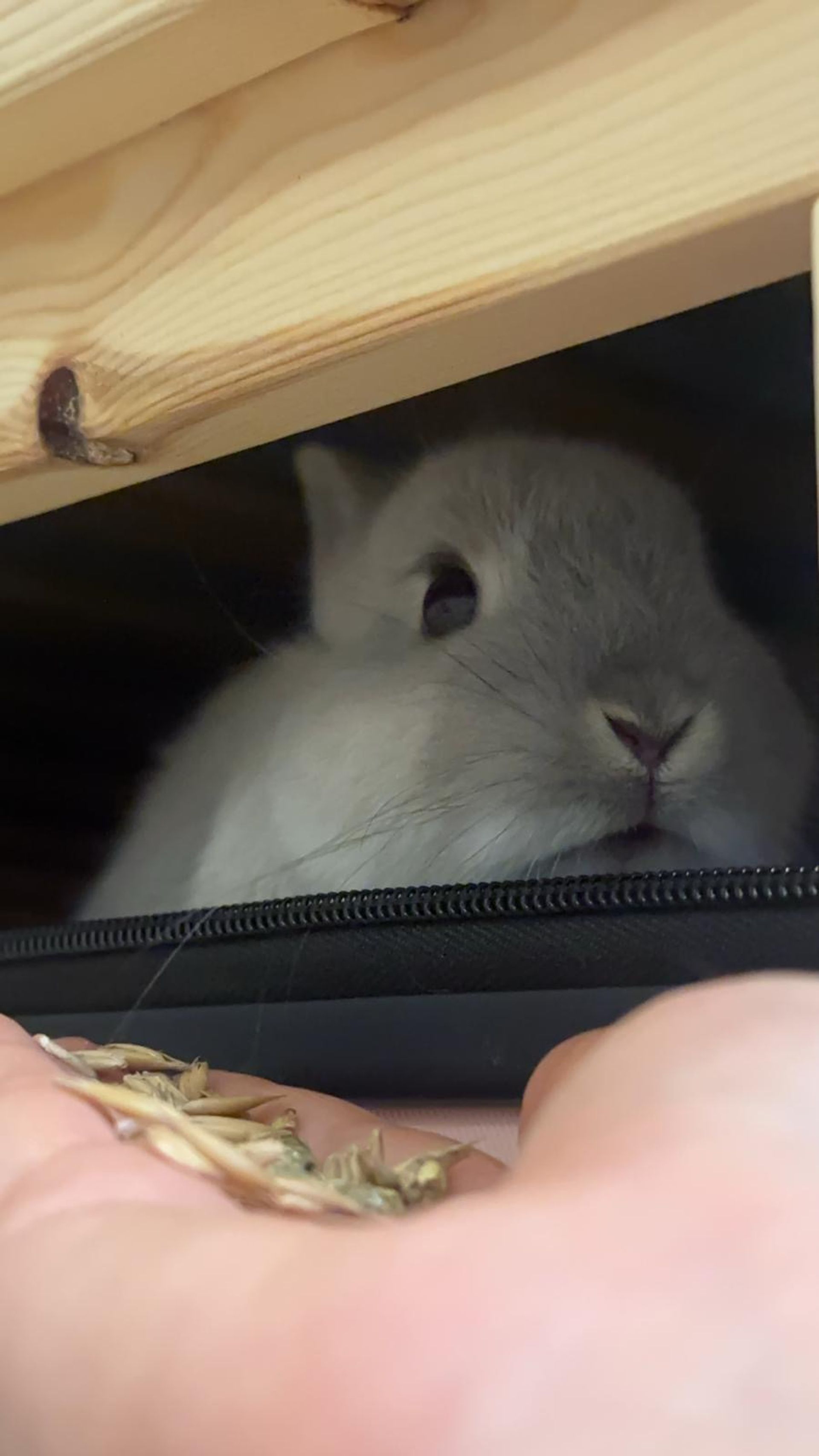
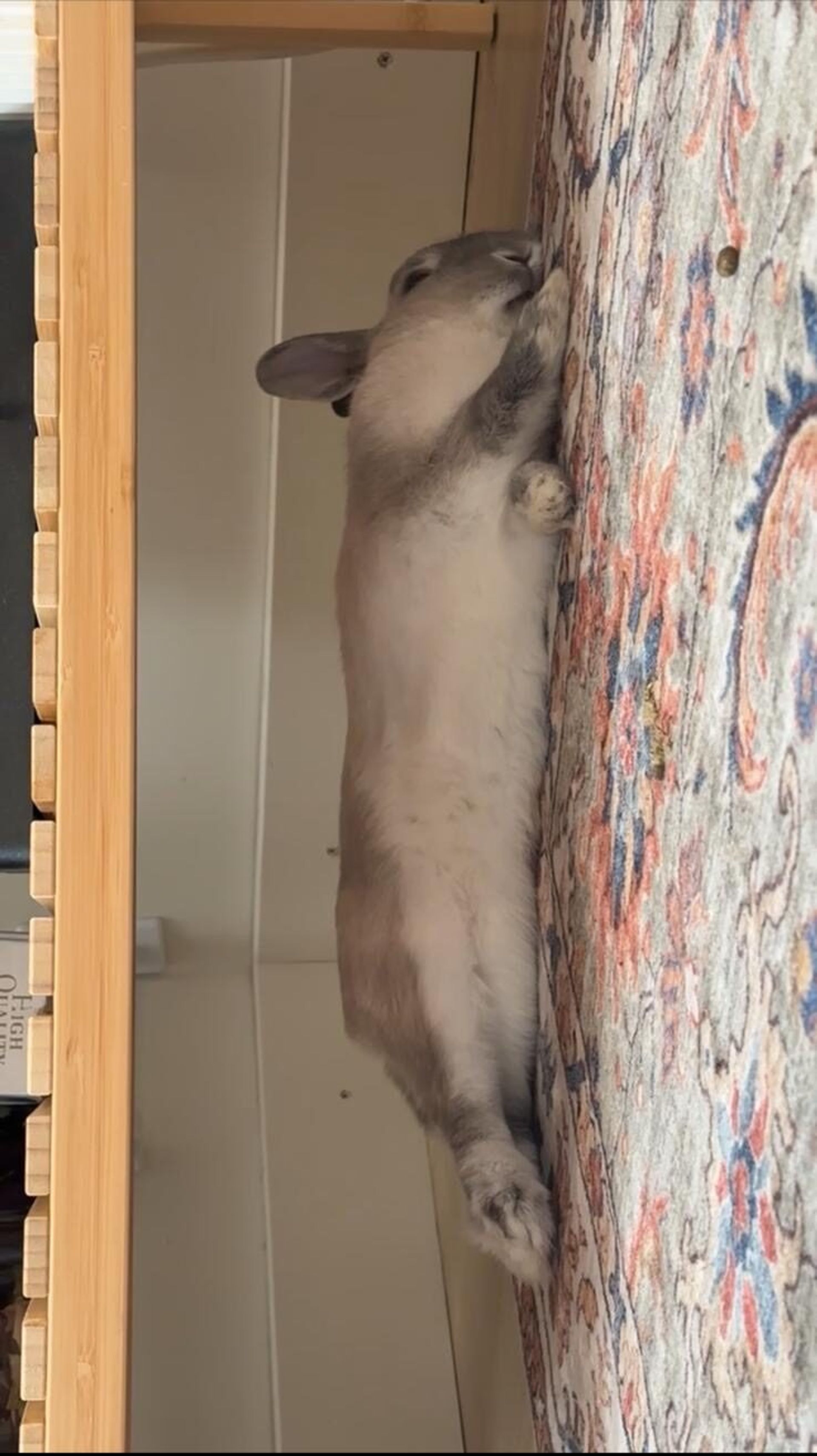
Since then, Saana and her partner have added carpets, cushions, and soft landing zones around the apartment to make his adventures safer. The bunny also has his calm moments, which Saana loves. “Sometimes he sleeps under the TV stand. He gets all fluffy and swollen in the face—he looks like a cute cartoon character. It melts your heart.” Between the jumping all day and quiet, sleepy poses, life with a bunny is never boring.
Can Students Leave a Bunny Alone?
While bunnies can be independent, Saana emphasises that they’re still social animals. She never leaves him alone overnight, and because her partner works from home, he usually isn’t alone for more than a couple of hours. For students who live alone or spend long days away from home, Saana recommends getting two bunnies so they can keep each other company. It’s not much more difficult, and it’s better for their wellbeing.
So… Should Students Adopt a Bunny in Sweden?
Saana’s answer is yes… but with some clear conditions. A bunny can be a wonderful pet for students who spend a lot of time at home, enjoy caring for animals, and have the space to let them move freely. They’re quiet, affectionate, and don’t require outdoor walks, but they do need attention, nail trimming, and a bit of financial planning. If you’re ready for that responsibility, a bunny might be the perfect study companion during your time in Sweden.